
Plov, sun, and hospitality - this is what will surround you upon arrival in the beautiful city where I had the chance to live most of my life, Tashkent. Much can be written and said, but if you are here, you probably already know where you've come from and why. Therefore, I will write this guide as a step-by-step manual, starting from arrival at the airport and ending with leisure activities.
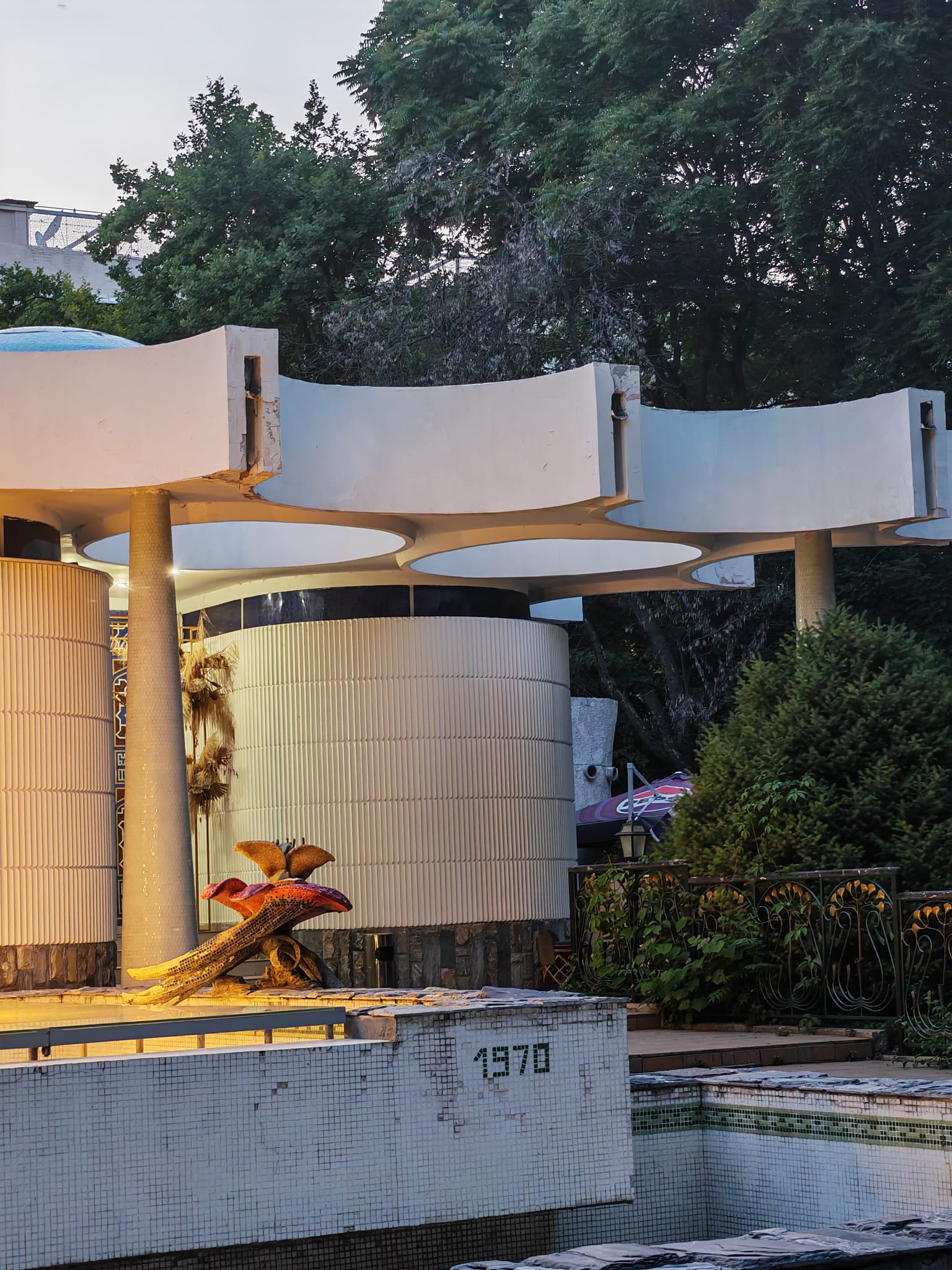
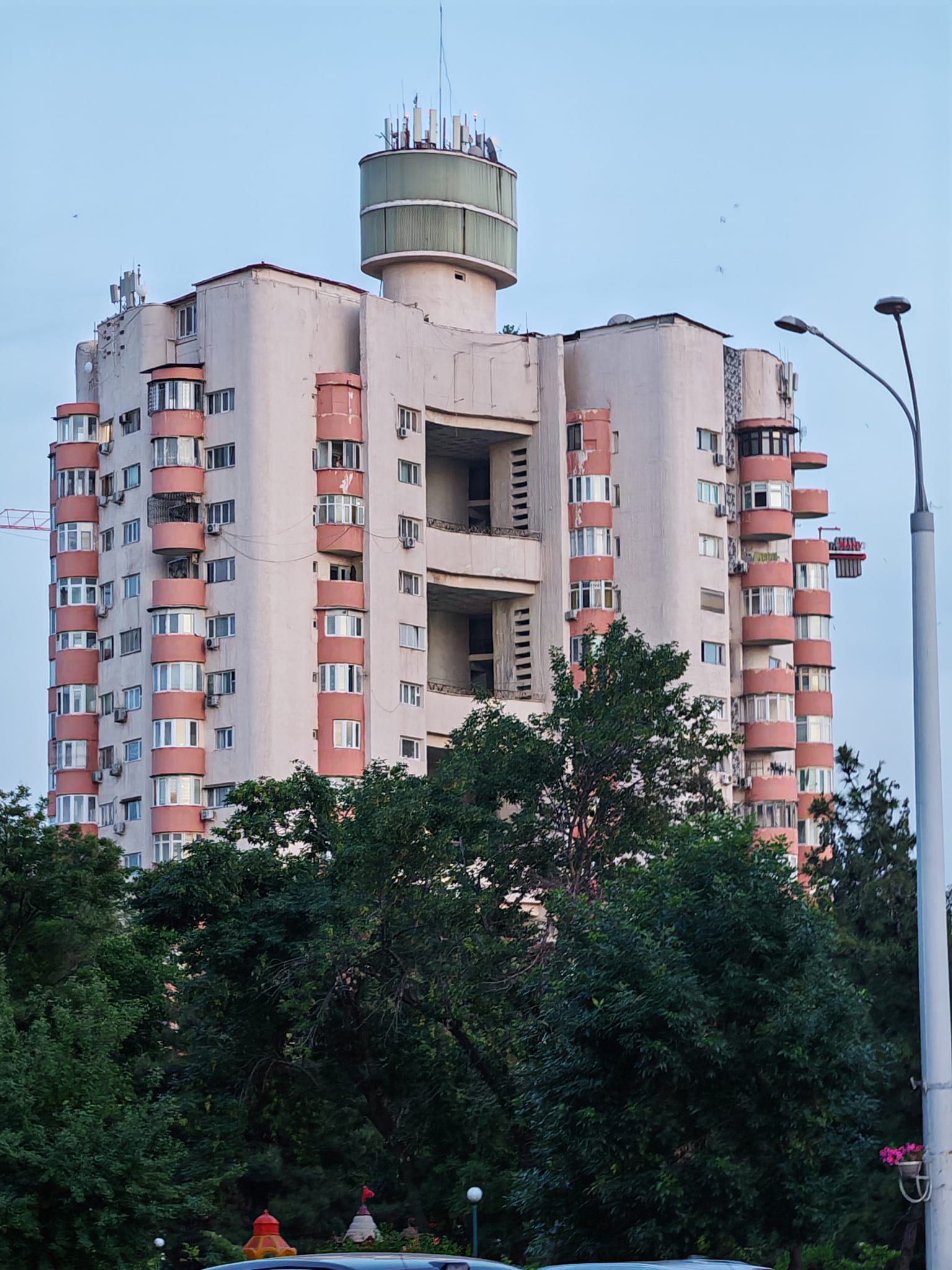
And immediately, the main point. Tashkent is a 20th-century city in the literal sense. Despite the city being 2200 years old, due to the peculiarities of traditional architecture and history, finding something here similar to Bukhara, or even Samarkand, is extremely difficult. However, it boasts one of the densest collections of Soviet modernism, and it is precisely for this that you should plan your route.
Tashkent currently has one functioning airport, and it's located within the city. This is the Islam Karimov Tashkent International Airport, named after the first president of the Republic of Uzbekistan. The airport is conveniently located for easy access to the city, but regular public transport from it is not optimally organized, so I strongly recommend taking a taxi from the airport.
Taxi drivers at Tashkent airport can be pushy and overcharge, so to save money and time, install Yandex Go. If you're from the CIS, you're familiar with this aggregator; if not, the interface is multilingual. They accept cash or a (Uzbek) card for payment, so it's worth exchanging some money right at the airport. I'll be quoting prices in euros for easy conversion of what things cost. No matter how far your hotel is, a taxi won't cost more than 100,000 soums, which is about 8 euros, even during peak hours. Let this serve as your guide. So, exchange some money for your trip.
Tashkent, despite its 2200-year history, is a new city. There's no Altstadt here, like in European cities with narrow streets. More precisely, it exists, but living there would be inconvenient for you, and due to its specifics, Tashkent is divided into two historical centers: Old Tashkent and New Tashkent.
In the new, European Tashkent, I would recommend staying within a 2-3 km radius of the center; this will be a quiet residential area with convenient transport accessibility. For example, the C-5, Maxim Gorky (metro “Oybek”, “Irak Yoli”), Pedagogical Institute, Hamza (metro “Novza”) areas, along Navoi Street.
Since I live in my parents' home, it's hard for me to give exact housing costs, but the city is just gaining tourist flow, there's plenty of accommodation, and it's not expensive. I would estimate around 25 euros per night per person.
So, you've successfully traveled from the airport to the city. The next step is leisure.
The resource where this blog is written is precisely for you to know what to see. I'll attach several routes right away. These routes are both walking and partially by public transport. The resource is growing, and as it grows, you'll be able to create the most suitable route for yourself. For now, I'll tell you about the two layers of Tashkent's architecture.
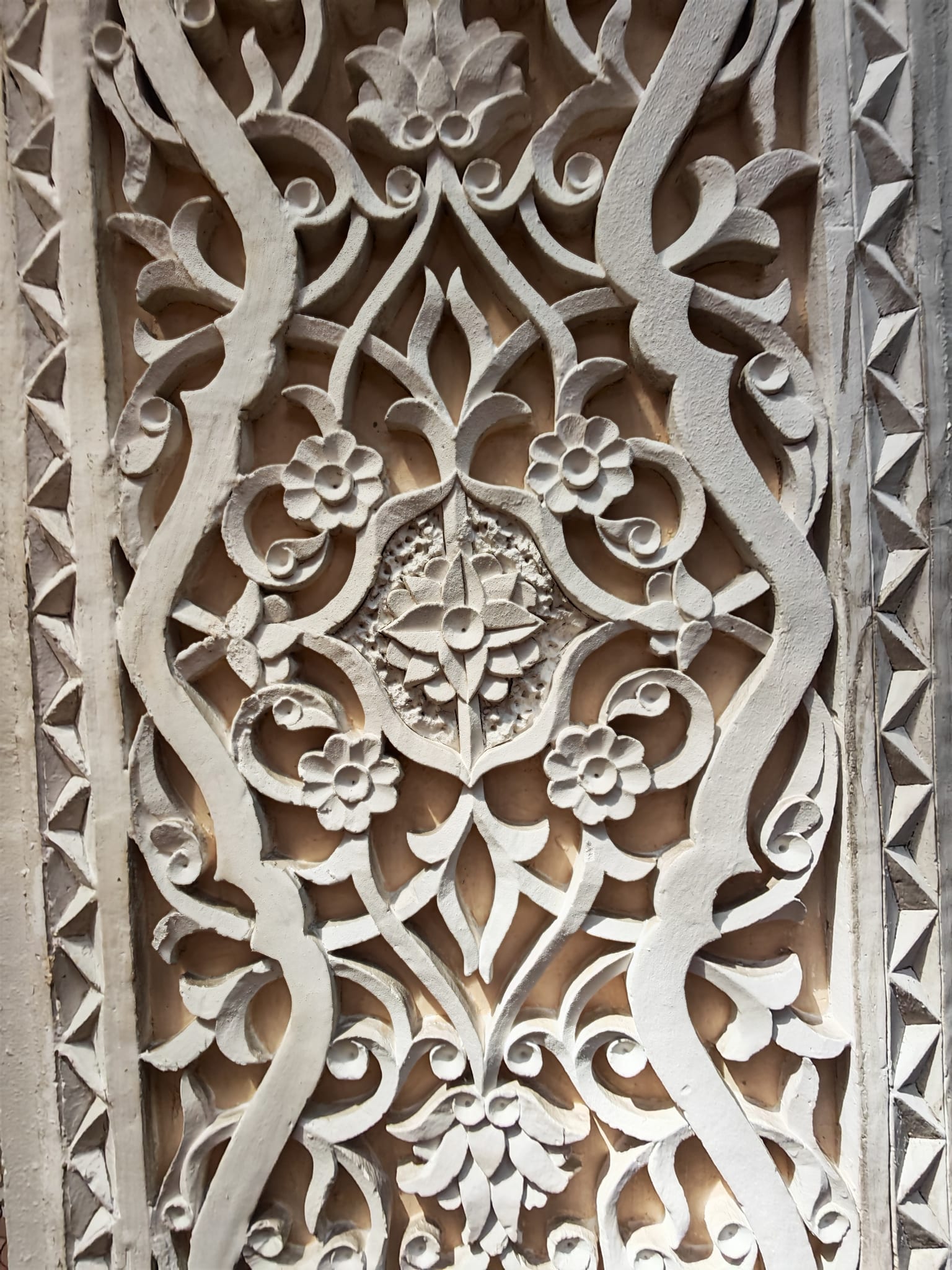
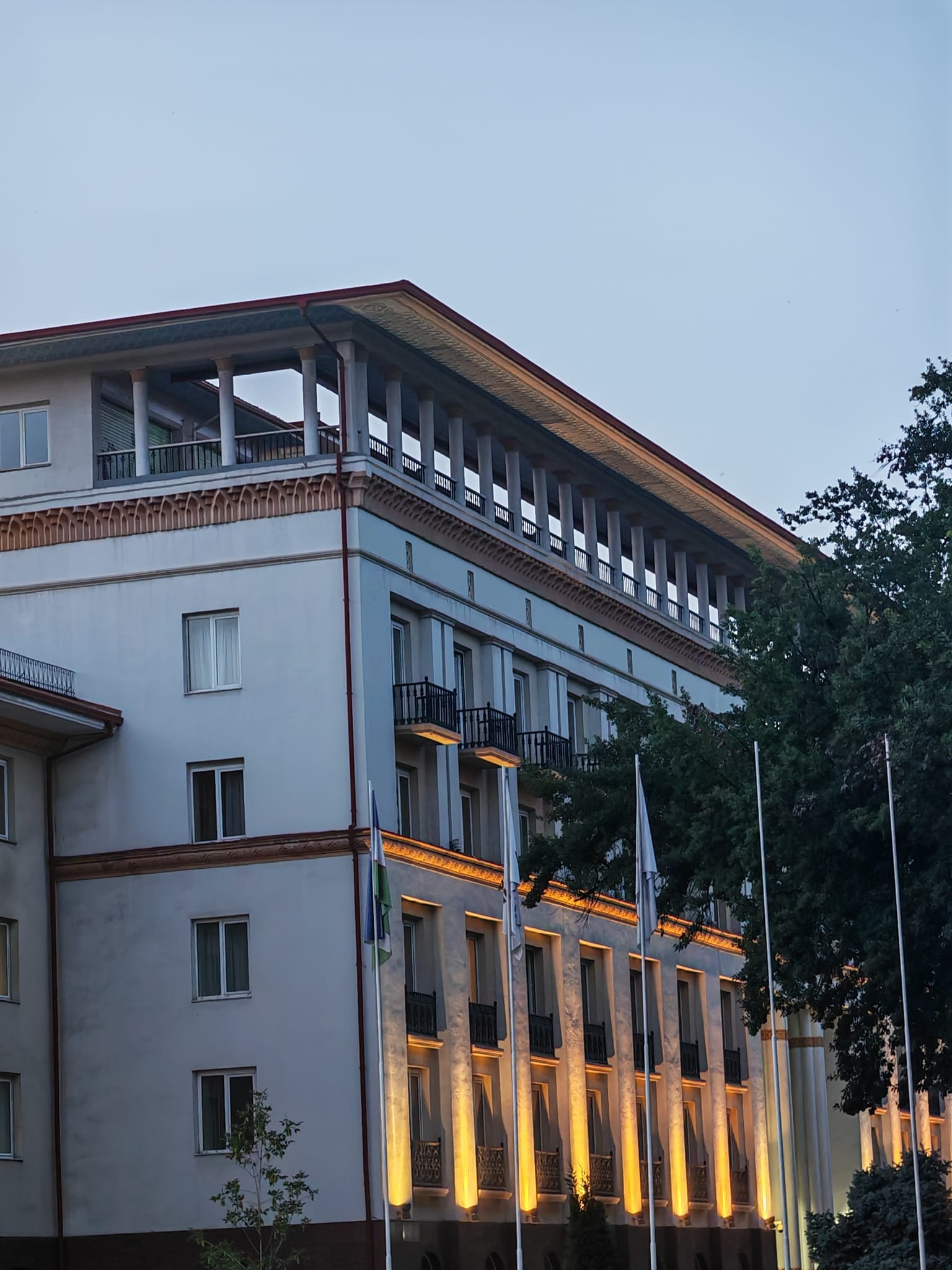
Old City. There are several places of traditional architecture. The first is the Center for Islamic Civilization and the adjacent street. Despite the fact that the object is located in the historical part of Tashkent, in the old city, it is no more than 5 years old. Although it was built around the ancient Khazrati Imam complex. The road to it and the adjacent houses were restored in 2025. It creates a very positive and interesting impression, especially for those who were not previously familiar with Central Asian architecture. Not far from there is the famous Chorsu Bazaar Chorsu and Kukeldash Madrasah Kukeldash. Nearby are the Juma Mosque (Khoja Akhrar Vali) Juma (Khoja Akhrar Vali) and the Sheikhantaur complex Sheikhantaur.
Chorsu Bazaar is primarily about eating and buying traditional goods. I will write more about it in the shopping section. For now, you can enjoy the truly symbolic cool dome of the old city market. Walking a little further, you will reach the Kukeldash Madrasah. This building has an interesting and rich history.
My advice: use the objects in this blog to create your own special route. Or use the one I've prepared.
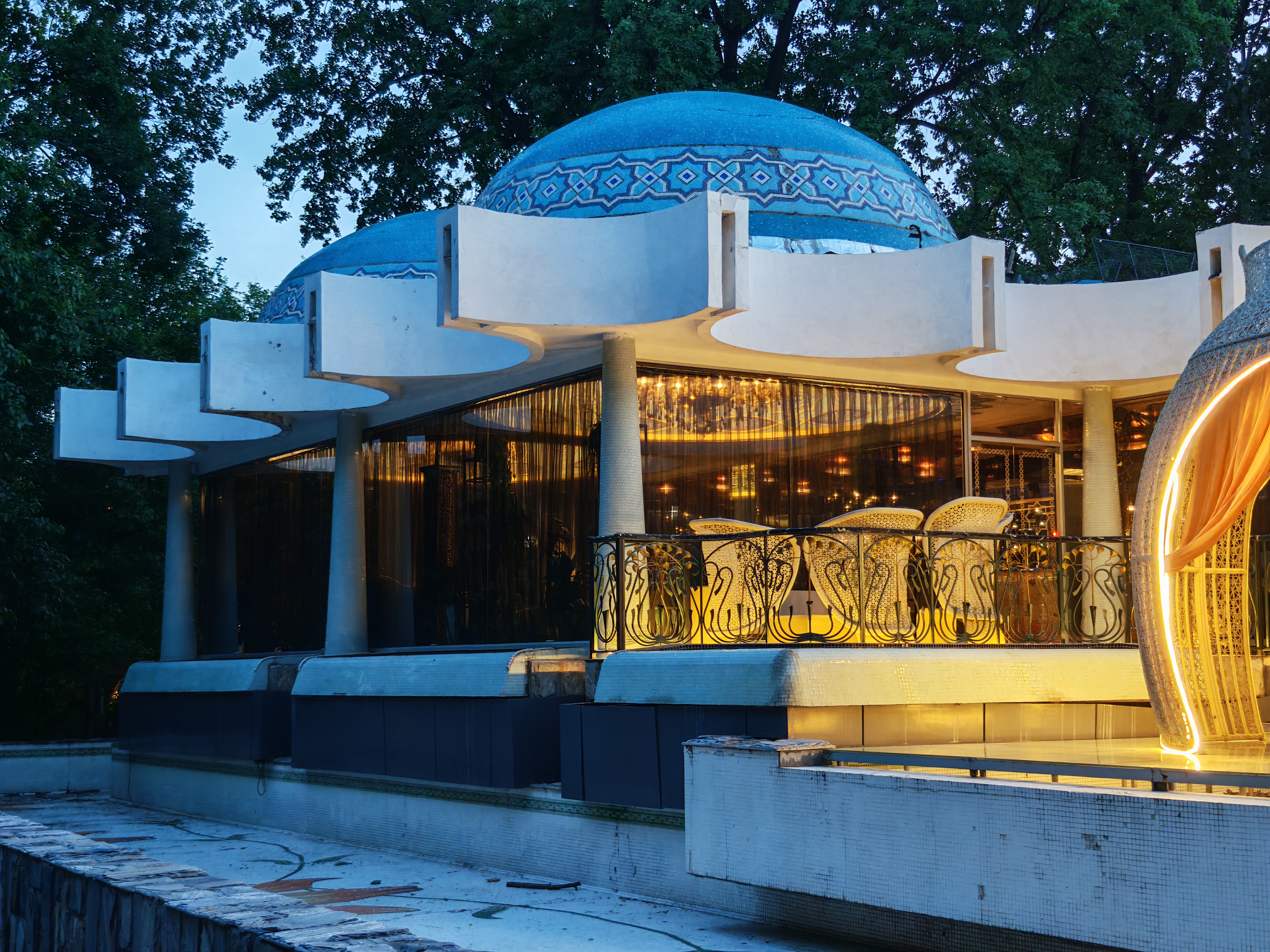
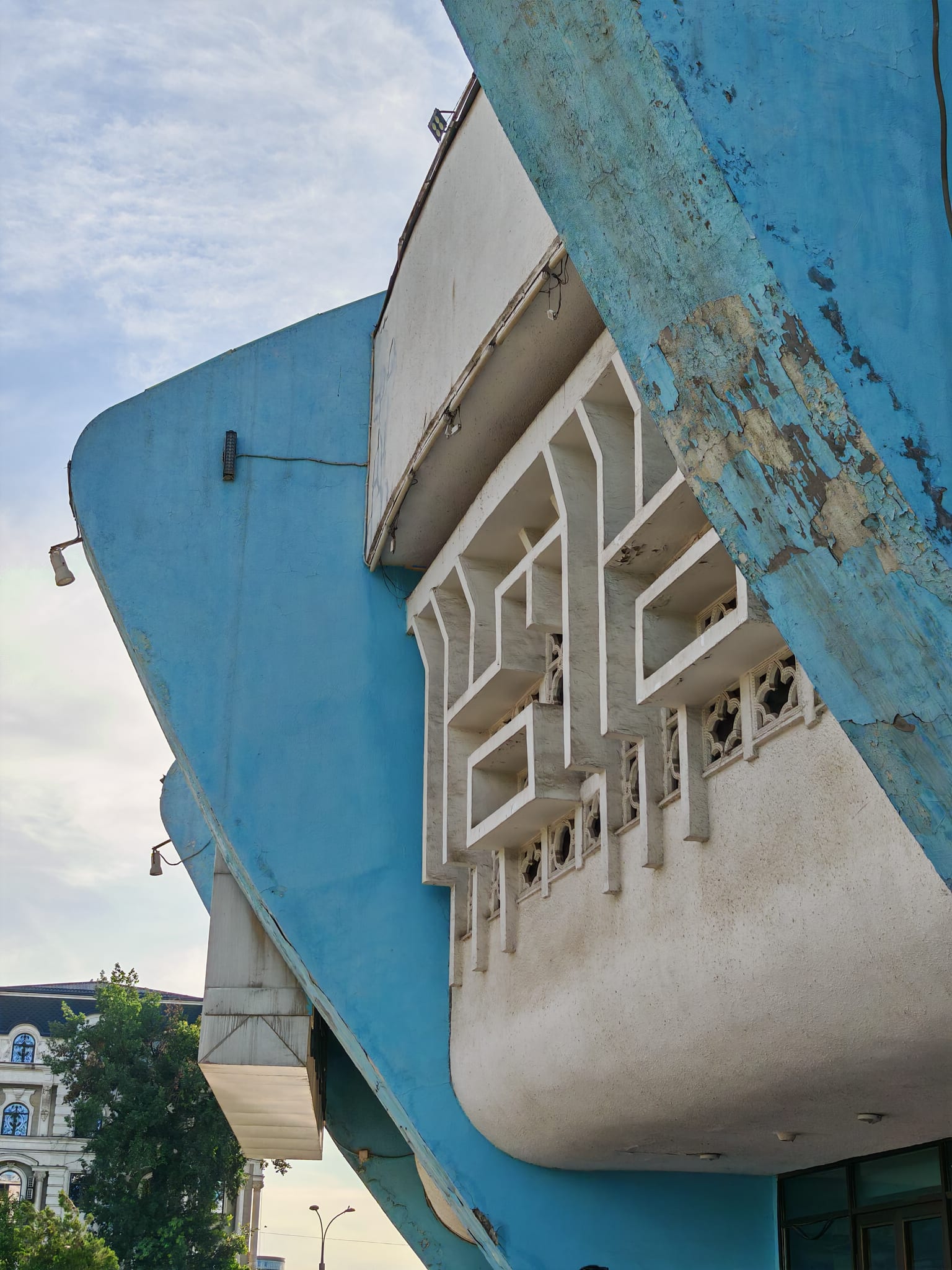
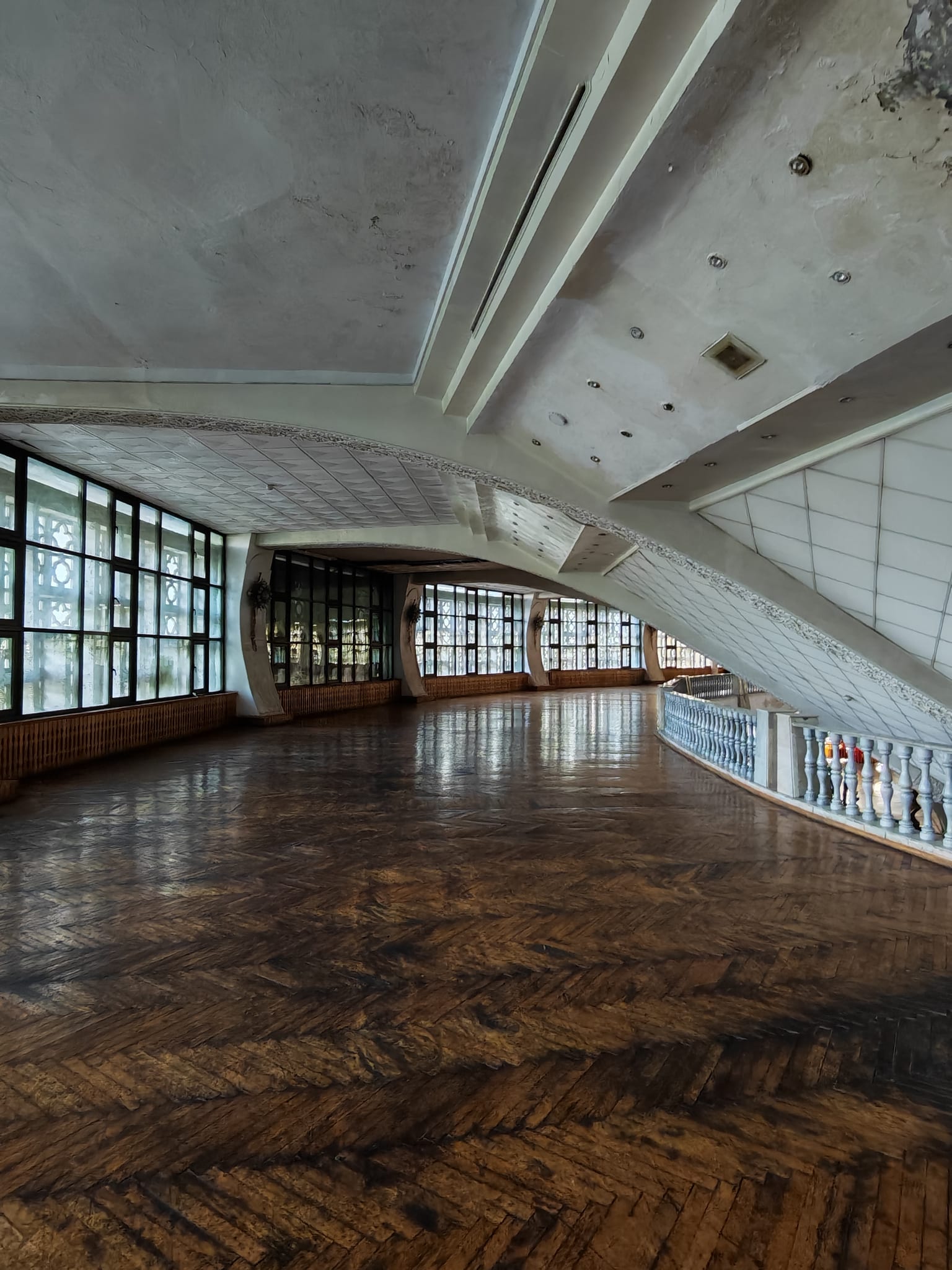
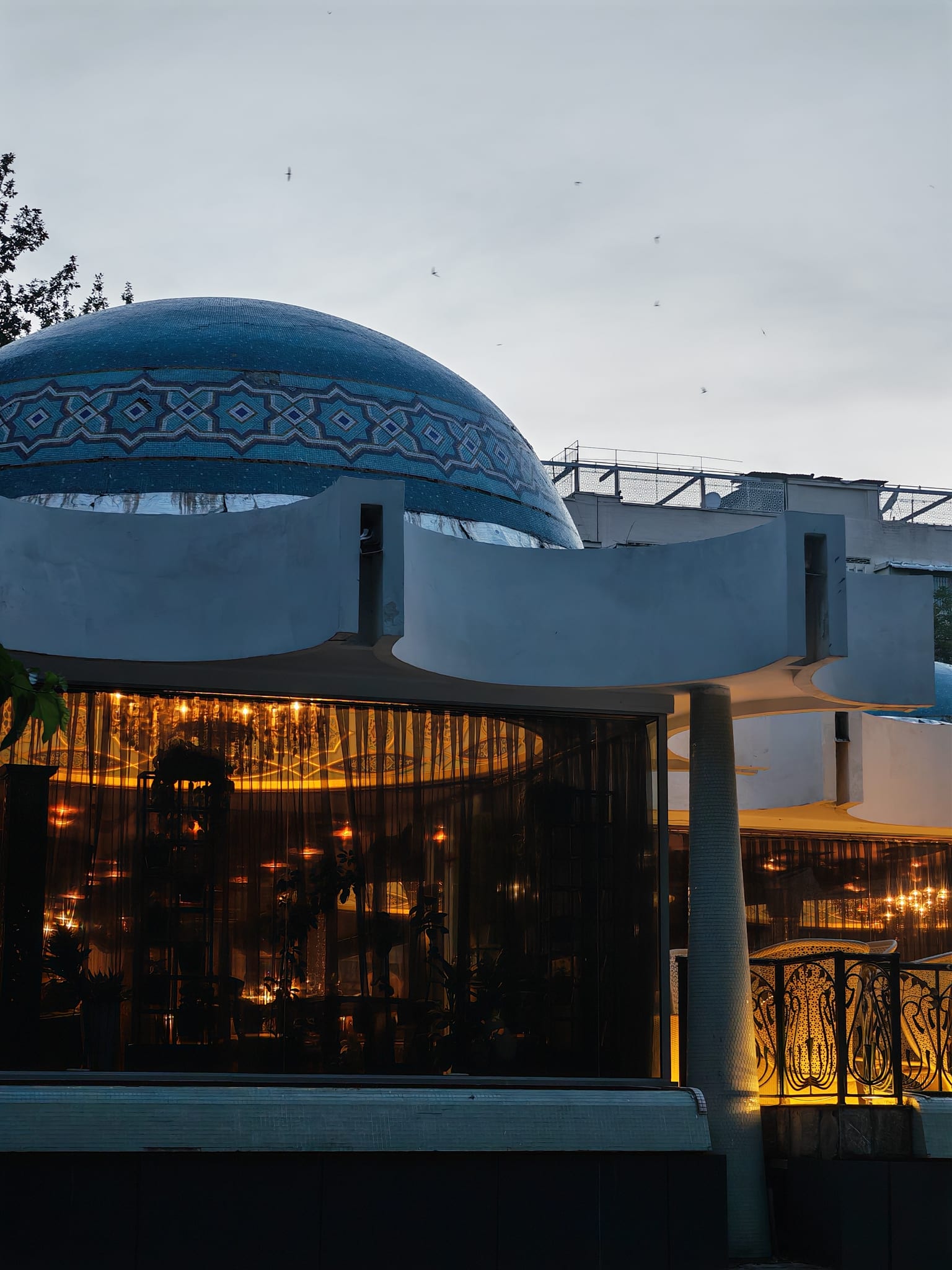
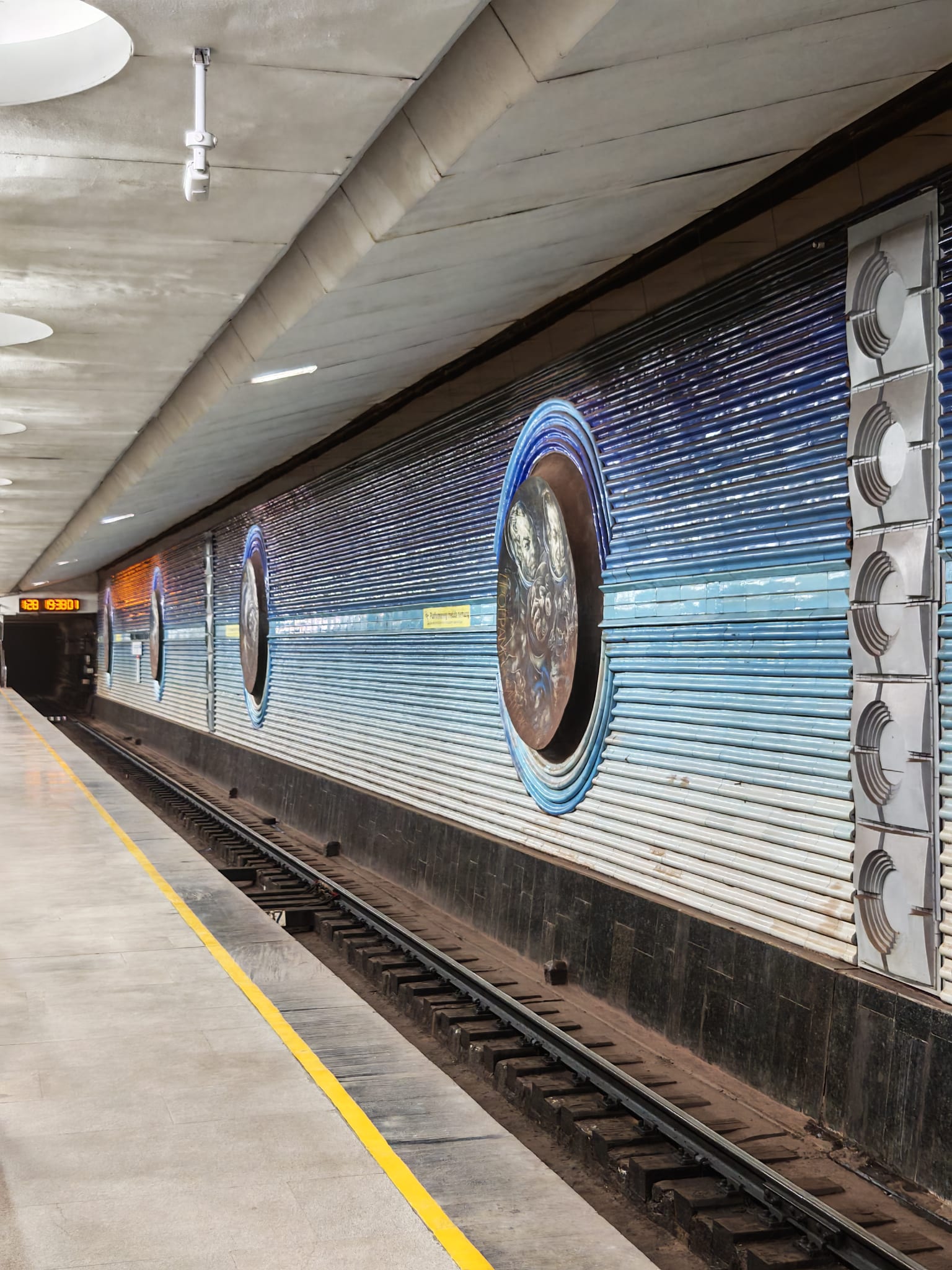
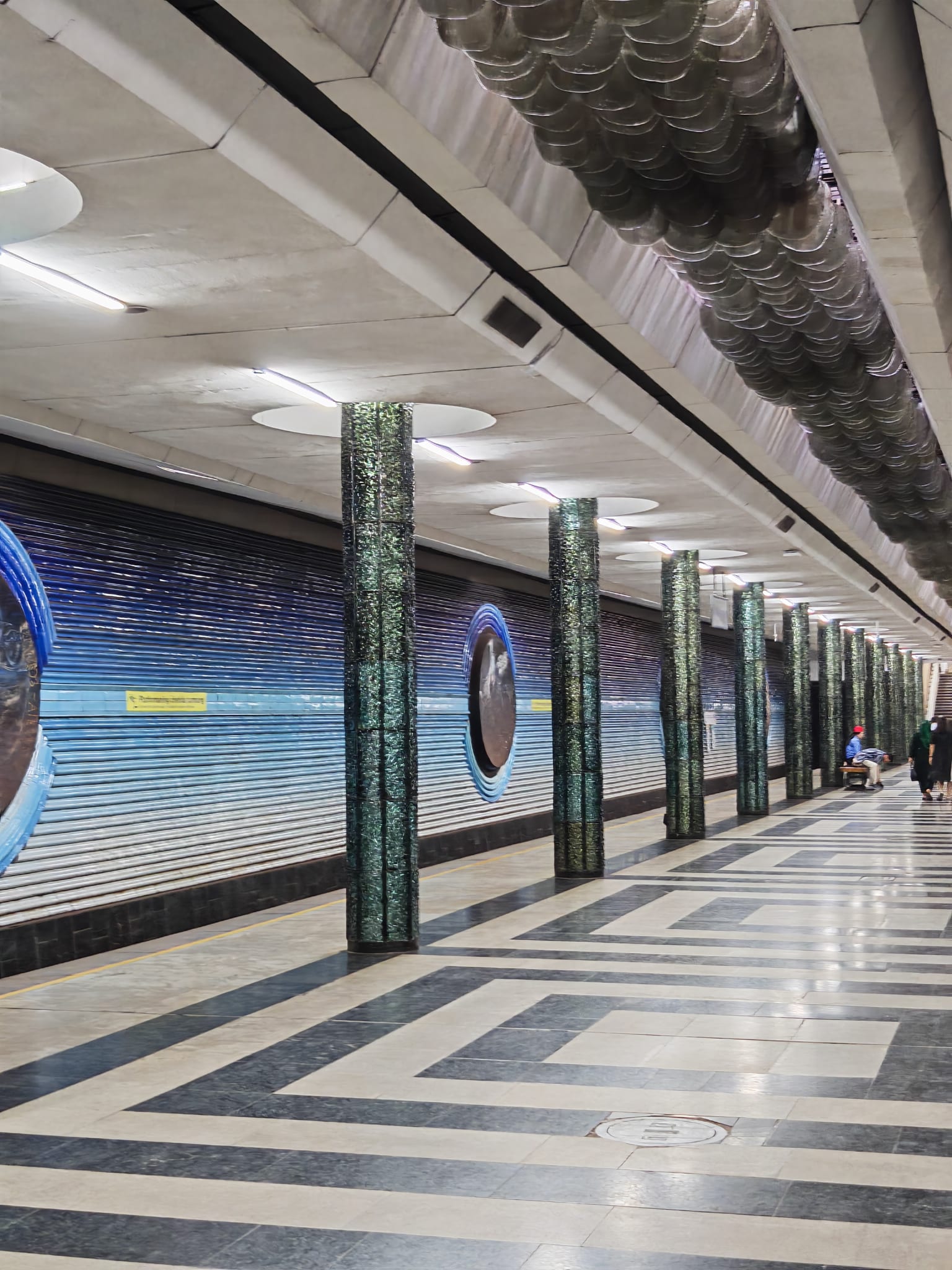
But Tashkent is not about traditional architecture; it's about modernist architecture, and it fits perfectly into our route. You're right on Navoi Street, where a large number of unique architectural objects await you: Alisher Navoi Metro Station, Navoi Opera and Ballet Theatre, Panoramic Cinema, Uzbekistan Youth Theatre, Turkiston Palace, Urda Bridge, Courage Monument, Zhemchug Residential Building, TSUM (Central Department Store), Blue Domes Cafe, Kosmonavtlar Metro Station. A walk through Tashkent's architectural heritage can be long and tiring, so I've broken down the objects into several days. All of them are on the map, and convenient routes have been compiled for them.
If you try hard, you can cover everything in 2 days. But the goal should not be to see everything, but to get maximum enjoyment. Here are a few ready-made routes.
- Navoi Street, the bridge between new and old Tashkent.
- Modernism and Tashkent Center.
- Hidden Gem.
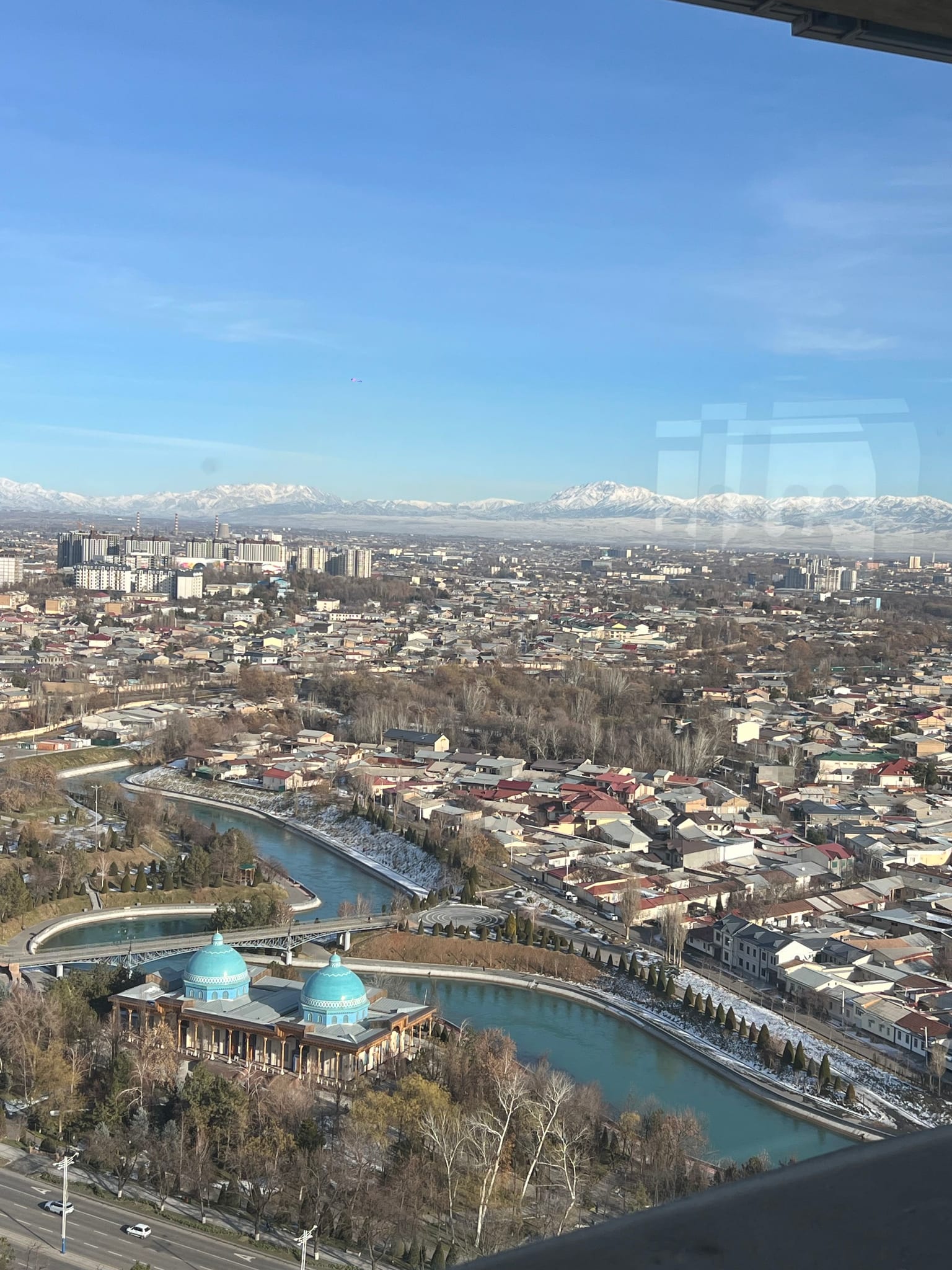
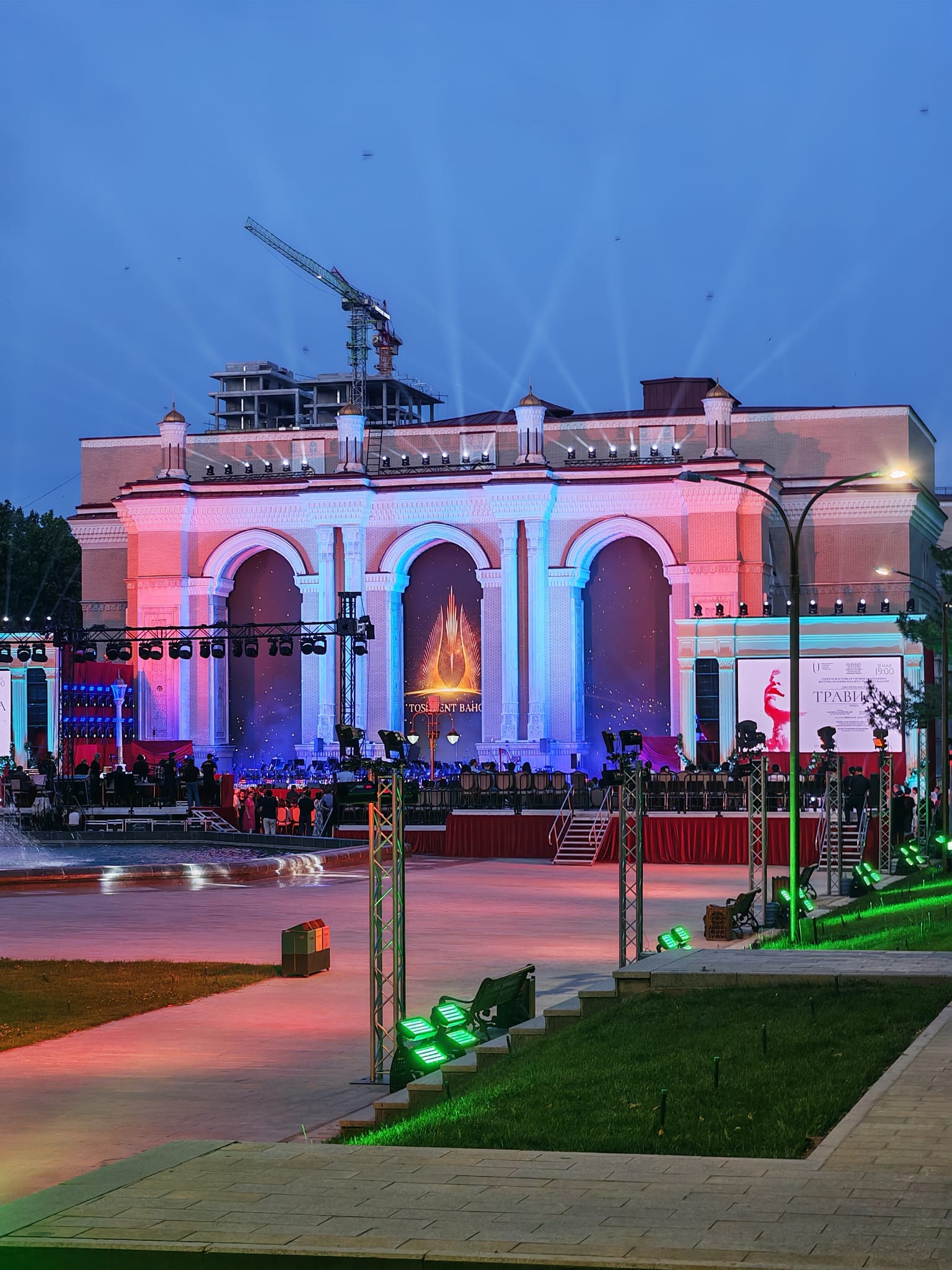
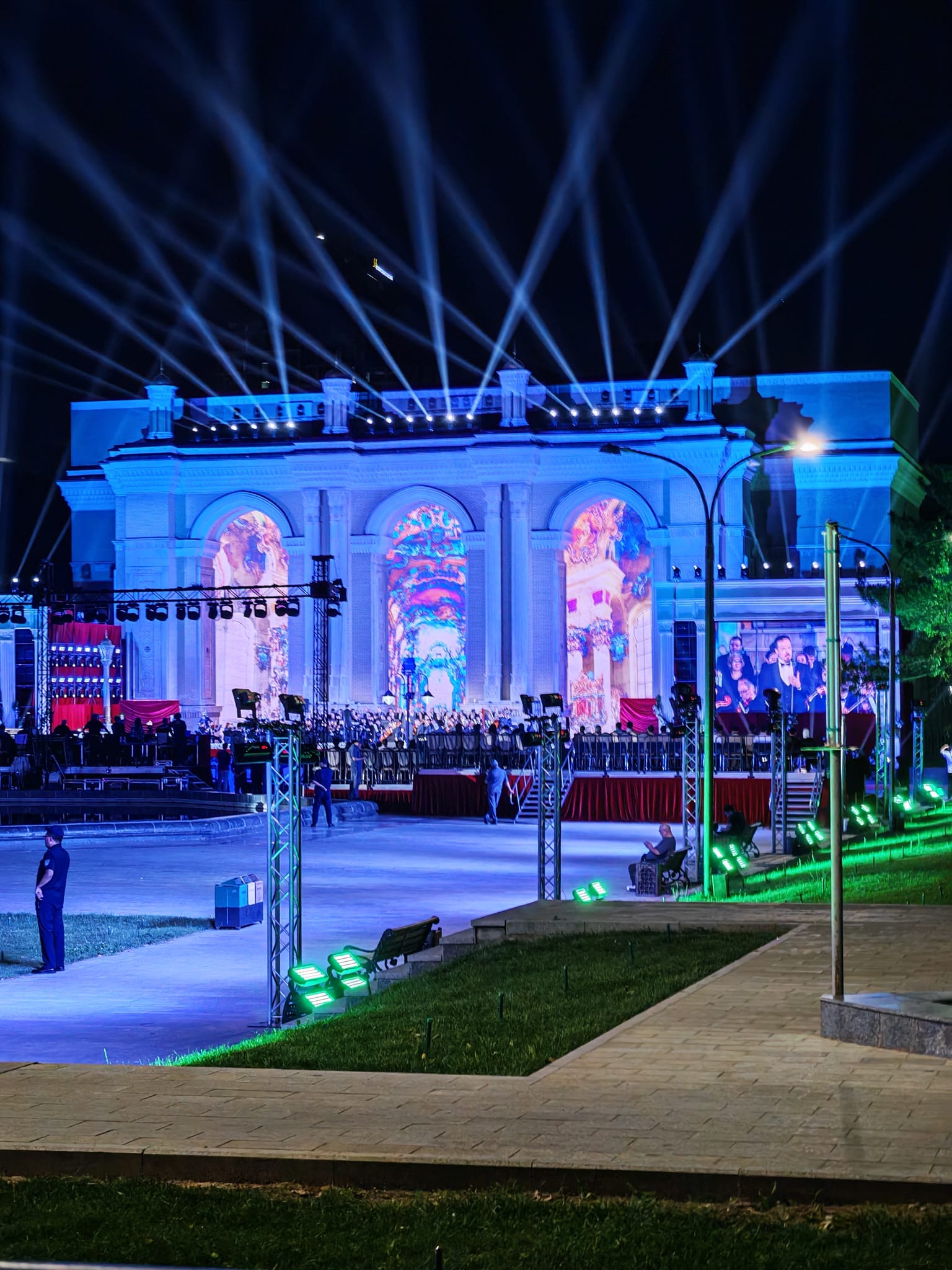
Tashkent has done a tremendous job organizing its transport over the past couple of years. I can honestly tell you, it's comfortable, fast, and frequent.
Buses. The city has a large bus network. Apps like Yandex Maps and 2GIS perfectly build routes and show real-time transport movement. A ride on any transport costs 1700 soums (0.14 euros), and you can pay with a Visa, Mastercard, or Mir card directly in the validator on the transport. You can get an ATTO travel card and top it up at terminals or through Uzbek banking apps, but for non-permanent residents of Tashkent, this is inconvenient, so we'll skip this procedure.
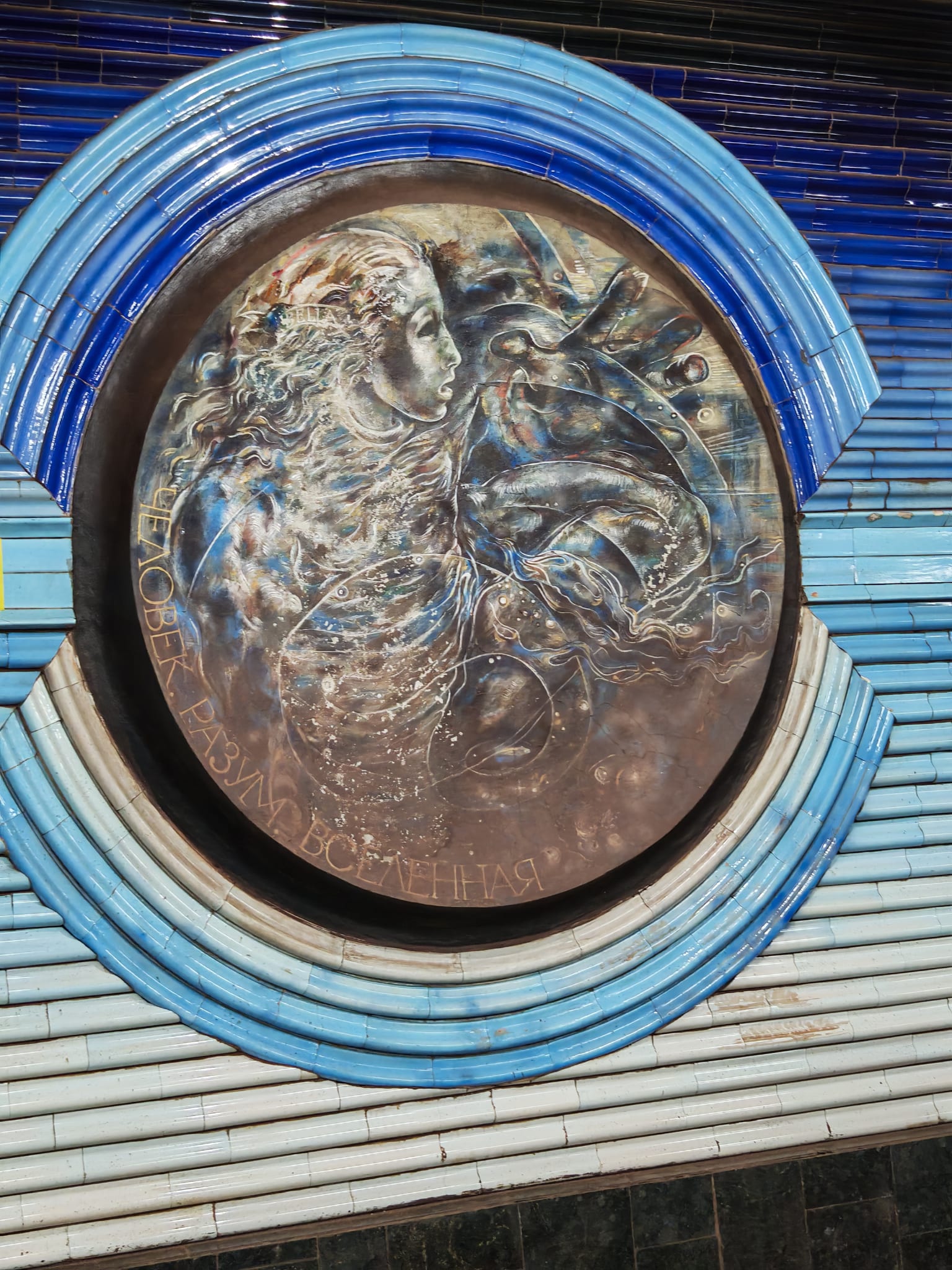
Metro. The main framework of the metro was laid in the 70s and 80s of the 20th century, and the metro was essentially designed with the idea of a palace for the people; it's worth visiting just for its architecture. But for now, let's talk about functionality. The metro costs the same as a bus and is paid for in the same way, with Mir, Visa, Mastercard, or ATTO cards. It runs quite frequently and quickly. It covers almost all districts. But personally, I don't like the Soviet standards for distance between stations. It's usually about a kilometer. If you live between stations, you'll have to walk for about 10 minutes. The most outstanding metro stations are marked on the platform, and a route has been compiled for them, showing what's worth seeing.
Taxi. Yandex Go is the most popular, so it's a must-have to install. Taxis are inexpensive even during peak hours. As I wrote earlier, from the furthest corner of the city to another furthest corner, the price will not exceed 100,000 soums (7 euros). Taxis can be used constantly as an alternative to public transport. For this, you need either cash or a linked Uzbek card. This will be difficult to do if you are not a resident of Uzbekistan. So, cash only.
Carsharing. The idea for Tashkent is questionable for several reasons. First, the service is poorly developed, mainly consisting of small local companies. Second, people drive terribly in Uzbekistan. Every time I drive a car in Tashkent, I feel like giving up and leaving. And to be fair, people's behavior on the road does not correlate at all with their behavior in everyday life, which is phenomenal. Uzbeks are kind and friendly, but behind the wheel, it's the complete opposite. Drivers cut each other off, overtake haphazardly, cross solid lines, and ignore signs and road markings. Uzbeks drive by intuition, sensing each other, understanding that the person in front will change lanes without a turn signal. For a European, this driving style is not just unfamiliar; it's incomprehensible. Drivers from India and Pakistan, no questions for you.
Heat. Very important. If your summer air temperature doesn't rise above 40 degrees Celsius, you should not come to Uzbekistan in summer. Climate change, desertification, uncontrolled urban development, and the reduction of green spaces in Tashkent have taken their toll. In summer, during chilya (the period from late June to early August), the air temperature in Tashkent hovers around 45 degrees Celsius. This is an uncomfortable temperature. If you plan to get acquainted with the real Tashkent in any way, it will only be possible after sunset; all other times you will spend under air conditioning.
Drones. Drones are prohibited in Uzbekistan. Importing and using them is forbidden, and in the best-case scenario, it will result in a large fine.
Connectivity and IMEI. If you decide to buy an Uzbek SIM card, here's what you need to be prepared for. As soon as your device appears on the network, you will receive a message in two languages, Russian and Uzbek, stating that your device's IMEI code needs to be registered, otherwise the device will be blocked after 30 days. If you plan to stay for less than 30 days, this will not affect you. If longer, here's the plan. Immediately upon arrival, go to the red corridor and say that you want to declare a mobile device for registration with Uzimei. After receiving the declaration, once in the city, you can register it with the organization called Uzimei. I haven't done this myself. As I was assured, declaring a phone in this case is free (I doubt it). This entire procedure was put in place to limit the illegal import of phones. As a result, they are still imported, and the ordinary consumer has to navigate bureaucratic hurdles, often without a clear outcome.
Currency Exchange. Money changers (they still exist), despite being fought against for 10 years, are still around. On weekdays, you can easily buy or sell currency at any bank; during the week, you can exchange dollars at special ATMs. But what if you need to exchange euros on a Sunday? Only street money changers, they are at every Tashkent market. I strongly advise against contacting them, as their activity is prohibited, and it's better to do everything through a bank. As a last resort, pay by card.
Payment for Alcohol and Cigarettes. From April 1, 2026, cigarettes, alcohol, and gasoline can only be paid for by card. What does this mean? You decide to have a beer at a bar and eat. When you ask for the bill, you will receive two receipts. One, for mandatory card payment for alcohol, the second, payment by any other method for food. Uzbekistan accepts all popular payment methods, which is worth noting.
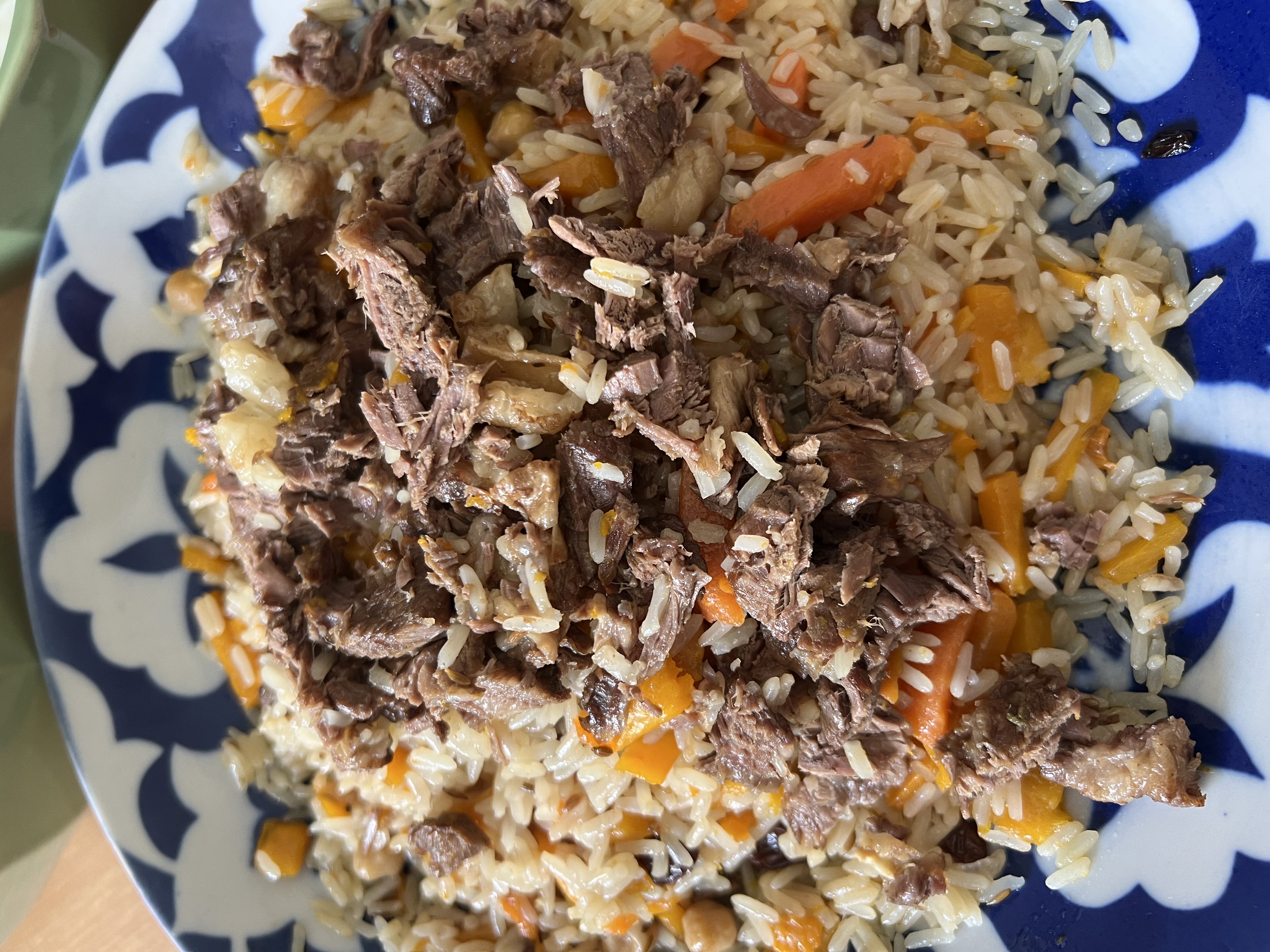
Perhaps for this reason alone, you should visit Uzbekistan. I will definitely give recommendations for cafes in Tashkent, but I will mainly focus on the dishes, as it's essentially delicious everywhere. Some places are simply good, others are exceptional.
Plov. Well, let's start with plov. Plov is prepared everywhere; it's more or less in every cafe. But mainly in cafes like Milliy taomlar, which literally translates to national dishes. Plov is always prepared for lunch and usually runs out by around 3:00 PM. There are specialized cafes that sell plov all day, more on them below. In Tashkent, mostly, as it may sound, it's Tashkent plov. It so happens that each region has its own type of plov, and each region considers its own to be the best. I won't go into details. All plov is delicious, let's leave it at that. Despite plov being everywhere, Thursday is considered "plov day." Also, if you're lucky enough to be invited to a wedding, you'll also go for morning plov at 7-8 AM on the wedding day. A delicious but heavy tradition for the stomach.
A portion of plov averages 400 grams, costing from 25,000 to 50,000 soums per portion (1.8-3.5 euros). Anything more expensive, you're paying for the location. You often encounter the term "komplekt" (set), which means 1-2 quail eggs, kazy (horse meat sausage). Such a portion will be 15,000 soums (1 euro) more expensive. Plov often comes with a salad, a piece of flatbread, and tea.
Most popular places: Besh Qozon, located near the Tashkent TV Tower, a good place, prices slightly higher than in the city, plov is always delicious. Somsa Osh Center, in the center, plov is always available. Grand Hall, my favorite, everything is delicious here, it's far (near my house), but it's an absolutely foolproof place, everything is good here. In general, as I wrote above, any Milliy taomlar is more or less delicious. So, osh bolsin (bon appétit).
Somsa. The choice here is even more difficult. There's a lot of delicious somsa. I'll highlight three main types. First, oven-baked somsa. Puff pastry, various fillings. Similar to a Russian pirozhok. Unlikely to surprise. Only for a snack. Second, tandoor somsa. That unique, inimitable one. The dough can be different, puff or solid. The filling is mainly beef, lamb, or potatoes. Third, olot somsa. Somsa made from flat dough with a minced meat filling. Decent, worth trying. There's also somsa with greens, made in spring, and Jizzakh somsa, palm-sized, which are sub-varieties of the aforementioned somsa.
It's also hard to recommend anything specific here; the city is full of somsa everywhere, I prefer tandoor somsa. I want to give a small piece of advice right away. Although I write that it's more or less delicious everywhere, keep in mind that when buying it in some really remote place, you should be careful. It's very hot in summer, and meat can spoil quickly. In that case, it's better to take it with potatoes. For places: any more or less decent Milliy taomlar, and Somsa Osh Center operates almost from 9 AM to midnight.
Other dishes worth trying. Naryn, noodles with beef or horse meat, served with hot, salty, rich broth, delicious, available in Milliy taomlar. Kazan kabob, meat with potatoes, delicious but fatty, although all Uzbek cuisine is quite fatty. Lagman, a national Uyghur dish, noodles with vegetables, delicious. Kovurma lagman, Uzbek interpretation, fried noodles with vegetables. Shurpa, a rich Uzbek soup, sometimes with chickpeas, made from beef and lamb. Manty, everything is clear here. Chuchvara, Uzbek dumplings, sometimes fried, very delicious. Shashlik also deserves a separate post. The most popular are ground (kebab) and chunk. Available in beef, lamb, and chicken. You can also find liver shashlik. My favorite is ground. The same rule applies to shashlik: more or less any Milliy taomlar with a lot of people will be delicious.
Fast Food. Now about fast food. It might surprise you too. In Uzbekistan, fast food has evolved into something unique, unlike anything else. The most Uzbek dish is lavash (shawarma in Russian). This is meat, tomatoes, chips, cucumbers, sauce, cheese (optional), wrapped in lavash bread. The best places where you can try them are Evos, Maxway. Shawarma, all the same as lavash, but not in lavash bread, but in a bun, available at the same places, Evos, Maxway. Gumma, a traditional pastry, very controversial, but I think it's a must-try, it's truly a popular favorite, in places like Gumma Xonim, 40 Yil Gumma, they sell out extremely quickly, I won't write the ingredients. Khanum, this is thin steamed dough with potatoes, served with tomato sauce, a good place is Gumma Xonim. Burgers, they are good here, nothing to describe, burgers are burgers, with tasty meat, I like Gost Mahalla, my wife doesn't, there's Embassy Burger, it's good here, rice burger, used to be good, they have a rice bun. There are many other places I haven't listed, it would make the post too long, but I leave them for you to explore.
Coffee and Bakeries. There have been a lot of them lately. Coffee is more or less acceptable everywhere. I took coffee to go from Cafellito, good coffee. Travelers, okay for sitting. Cake Lab, delicious pastries. Bon, well, only if there's nothing else nearby. Safia, all pastries are very oversweetened, if you like that, then okay.
Ice Cream. Giotto, usually crowded and noisy, but the ice cream is consistently delicious. Dolce Italia, smaller place, fewer people, ice cream is decent, used to be better.
Beer. And of course, what warm evenings could there be without beer? In Tashkent, it's brewed locally. Imported beer is much more expensive. Tashkent residents like to drink their local beer, Kibray, I think it's quite good. Draft beer is sold at Pivatoria, Pelikan (here the selection is large and prices are high, but you can also sit and drink there). There are many places to drink, I'll mention those where you'll feel the city's vibe. This is undoubtedly Jago, it's an Uzbek kneipe (pub), affordable prices, delicious food, good beer. I also like Petrovic, a cozy place with a good menu and tasty dishes. Steam Bar, probably one of the best places in Tashkent, trendy, delicious, reasonably priced for such a place. Keep in mind, payment for alcohol and cigarettes is by card only.
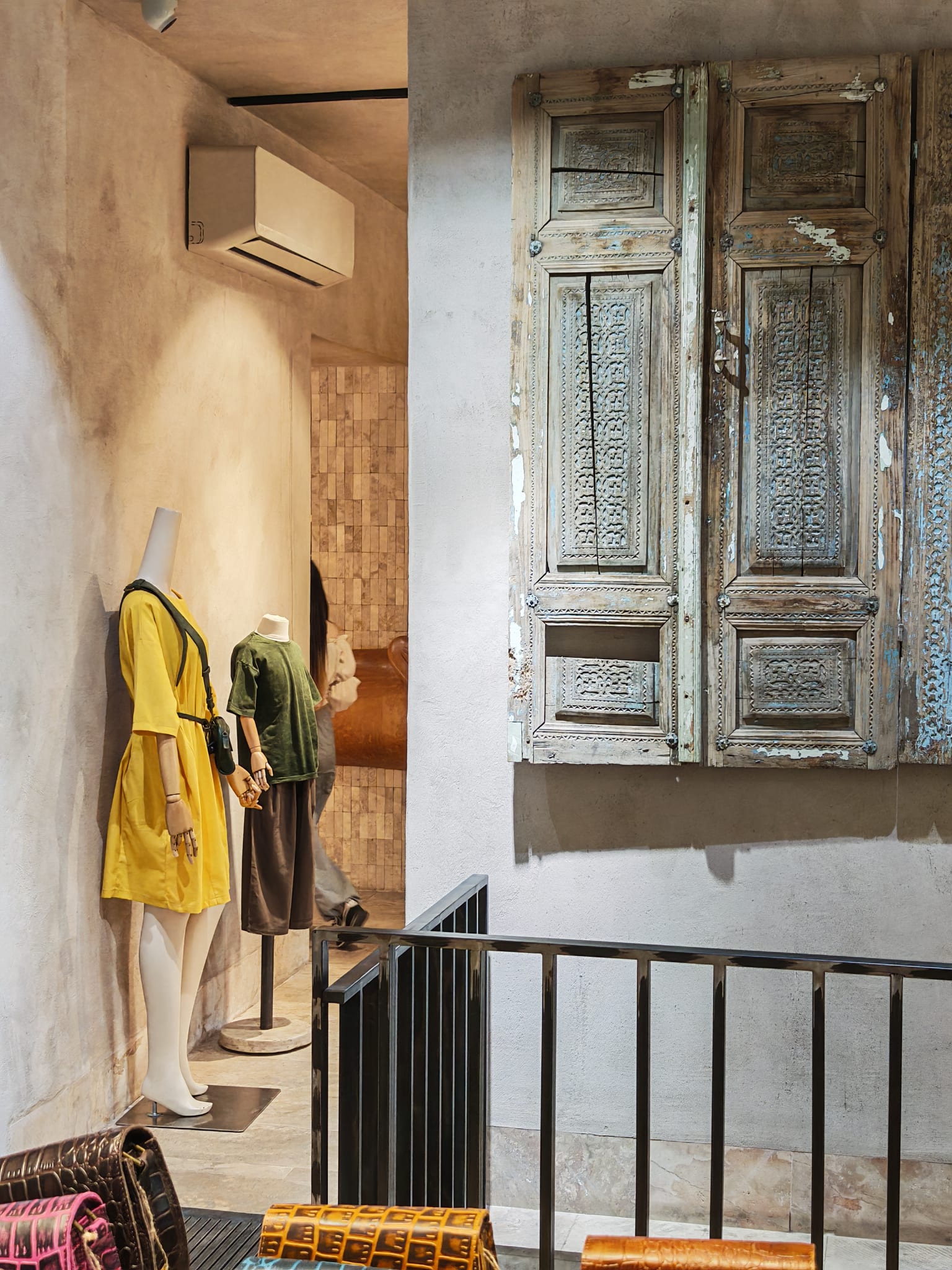
There are many malls and shopping centers. I will focus on local options. For a long time, Uzbekistan did not have a very favorable climate for international brands, or they simply weren't interested in operating in Uzbekistan, but this allowed local brands to grow. Now you can find Bershka, Pull&Bear, but they are everywhere. Local brands that mimic international ones include Terra Pro, Just (men's clothing), Selfie, Just (women's).
But this is all mass market. The local and unique options are as follows: Kanishka, leather goods and textiles. I don't like everything they have, especially the textiles. But everything is made very high quality, especially the leather products. By the way, they offer a lifetime warranty on leather goods, which speaks to their high quality. Black Quell, fashionable boutique leather goods.
Markets. It makes sense to go just to experience the local flavor. You can buy local goods at Chorsu, where there are many rows with souvenirs, fabrics, and more. It's better to find a guide from Uzbekistan or pretend to be a local; you'll save a good amount. You can also look at the architecture, more on that later. But if you are determined to bring a chest of gifts with you, go to Hippodrome. This is a huge area of all possible markets: clothes, fabrics, dishes, and so on. The market is large, be prepared to spend a lot of time there. You can just go to any bazaar you like to get acquainted with the assortment, but nothing more.
I might be repeating myself, but it will help you remember better.
When to Go. The best time for tourism is mid-March, mid-May, late August, early October. No matter how bold an idea comes to your mind, do not go to Tashkent in July. You will not withstand the current climate, and your vacation will turn into sheer frustration. I can tell you for sure that in this case, you will spend your entire vacation in air-conditioned rooms.
Clothing. I don't want to sound conservative, but this is customary in this country. It's not advisable to wear very short skirts, shorts, or crop tops. This immediately draws attention. It's not bad; people are just not used to it. Although over time, an interesting picture is observed. More and more people, especially youth, are wearing traditional Islamic clothing, and at the same time, other young people are shortening the length of their shorts. In any case, this is just advice. Don't stay in the sun for too long; it's very easy not to notice how hot it gets. If possible, wear head coverings in hot sun, drink more fluids.
Languages. People aged 35+ speak Russian here, while young people speak English. That is, if someone at the bazaar, cafe, or restaurant addresses you in Russian after hearing you speak Russian, do not mistakenly assume that everyone speaks Russian. 10 years ago, I would have said that Tashkent is Russian-speaking; now I cannot say that. Young people are actively learning languages, mainly English, so in general, you can find someone on the street who will help and advise you in a foreign language, but the majority still speak only Uzbek.
Have a good trip and enjoy your plov.