
Giotto di Bondone
About the Object
Giotto di Bondone
c. 1267
Other
Piazza del Duomo, Firenze
Historic Personality
Gallery (1)

A Painter Who Was Given a Tower to Build at the End of His Life
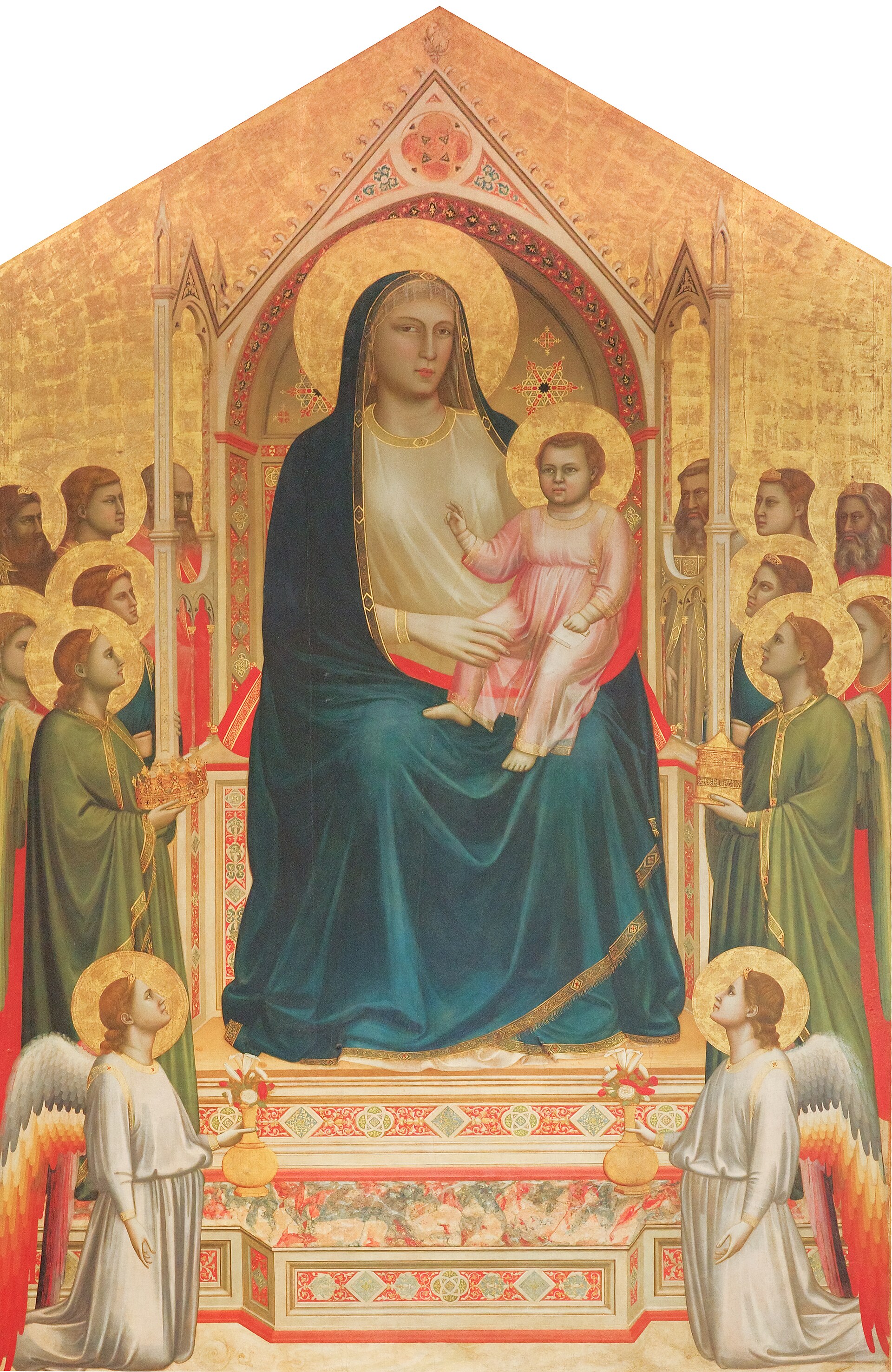
The bell tower before you is called Giotto’s Campanile. He built it during the last three years of his life, and it took another twenty-two years for others to finish it; that fact itself is broken down in the campanile's information card. Here, we will talk about who he was and why the tower was entrusted to a painter. Giotto di Bondone was born in 1267 in Vespignano, a rustic town northeast of Florence. There is a story about his childhood retold by everyone starting from Vasari: that the artist Cimabue stumbled upon a shepherd boy drawing a sheep and took him on as an apprentice. This is a legend, and it should be treated as a legend, but it accurately captures the main point - that Giotto came to painting neither from a workshop nor from a family of craftsmen. What he did can be explained in a single phrase: he brought painting out of Byzantine immobility. Before him, saints on panels were signs of holiness; with him, they are people who stand on the ground, have weight, and feel. In the "Ognissanti Madonna," painted around 1310 and hanging today in the Uffizi, the angels and saints express a whole spectrum of human emotions, and the throne on which the Madonna sits is constructed with a sense of depth - against the backdrop of surrounding flat Gothic art, this looks like a revolution. This marks the beginning of a path that, a hundred years later, would lead to Masaccio, and then to everything else. In Florence, his works are located right where you will most likely visit anyway. In Santa Croce are fourteenth-century frescoes by him and his capable pupil Taddeo Gaddi. In Santa Maria Novella is a wooden crucifix, the principal piece of this church to this day. In other words, Giotto is everywhere in Florence, he is just unsigned. Now about the tower. In 1334, three years before his death, Giotto is appointed city architect - and in this capacity designs the cathedral's bell tower. He is over sixty, a celebrated painter, and the position is given not for engineering merits, but for his name: the city wants the tower to be built by the best of its own. He manages to complete the lower tier and dies in 1337. The bell tower will only be finished in 1359 - twenty-two years after his death, by other hands and partly not to his design. There is an accurate sign of the times in this. In the fourteenth century, there was no wall between painting, sculpture, and construction: a master was a master, and the city appointed whoever it trusted to manage the construction. A hundred years later, the goldsmith Brunelleschi would get the dome in the exact same way. The only difference is that Brunelleschi managed to finish building his.
AI translation · 🇬🇧 EN
Rate this review:
Nearby and related
Close by in Florence
About the Object
Giotto di Bondone
c. 1267
Other
Piazza del Duomo, Firenze
Historic Personality