
Michelangelo Buonarroti
About the Object
Michelangelo Buonarroti
1475
Other
Piazza di Madonna degli Aldobrandini, Firenze
Historic Personality
Gallery (1)

The Republican Sentenced to Death Who Later Finished His Judges' Tombs
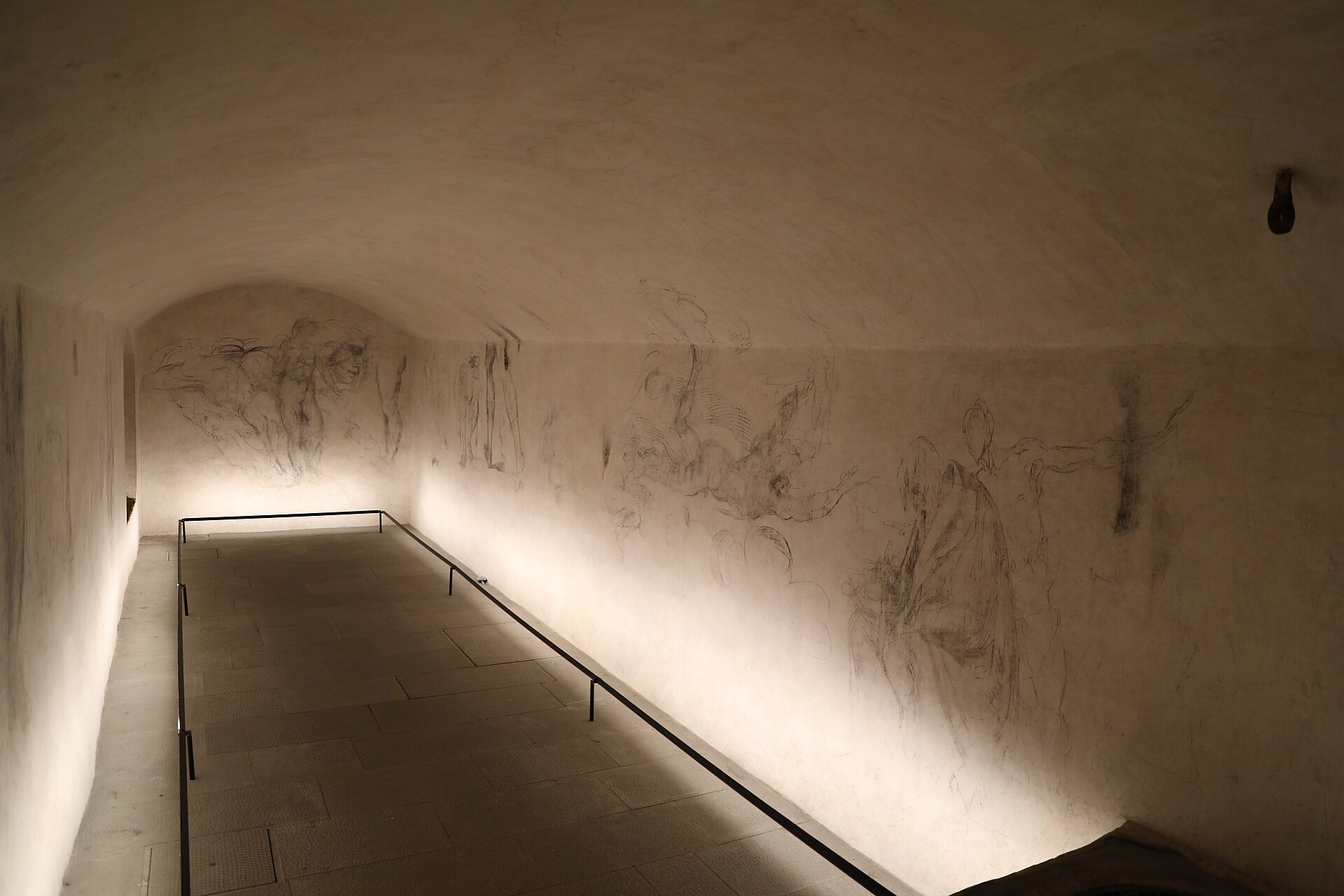
Michelangelo was born on March 6, 1475, in Caprese, in the mountains east of here-his father was serving there as podestà, acting as both municipal chief and judge. He himself would later attribute the clarity of his mind to the mountain air he breathed as a child. Florence was the city of his father and his work, and his relationship with it ended badly. Everyone knows the beginning. In 1501, at age twenty-six, he received the commission for the marble "David"-and received it along with a block of stone that had been started thirty-five years earlier under the direction of the aging Donatello and then abandoned. In other words, his first Florentine fame grew out of someone else's unfinished work. Next comes what guidebooks skim over in passing. Michelangelo was a staunch republican. When imperial troops sacked Rome in 1527 and the pope fled, Florence seized the opportunity, expelled the Medici, and restored the republic-for the last time in its history. The republic lasted three years. During these years, Michelangelo was not doing sculpture: he was designing fortifications against the advancing army. In 1530, papal and imperial forces captured the city. The republic ended forever, and the new pro-Medici government sentenced Michelangelo to death as a traitor. He went into hiding-and hid, of all places, in an underground room at the Church of San Lorenzo, meaning literally beneath the Medici family church, a stone's throw from where you are now standing. Pope Clement VII, a Medici himself, cared little for the artist's political views: the genius was irreplaceable, the charges were dropped, and Michelangelo returned to work-on the Medici Chapel. With what feelings he returned there, Judith Testa invites the reader to imagine for themselves, and that is perhaps the best thing that can be said here. It was precisely in these years that the things people come here for were created: the New Sacristy with the tombs and the vestibule of the Laurentian Library with its staircase. Details about them can be found in the Medici Chapel card. What matters here is something else: they were made by a man who had just been about to be executed in this very city, for the family that gave the order. It all ended in 1534. Michelangelo left Florence and never set foot on its soil again-not once in the thirty remaining years of his life. There were plenty of reasons: the pope installed his illegitimate son Alessandro as Florence's first hereditary duke, the city finally ceased to be a republic, and there was no reason to stay. He returned only in death. His tomb is in Santa Croce, among those Florence deems worthy of pride; it was made by Giorgio Vasari.
AI translation · 🇬🇧 EN
Rate this review:
Nearby and related
Close by in Florence
About the Object
Michelangelo Buonarroti
1475
Other
Piazza di Madonna degli Aldobrandini, Firenze
Historic Personality