
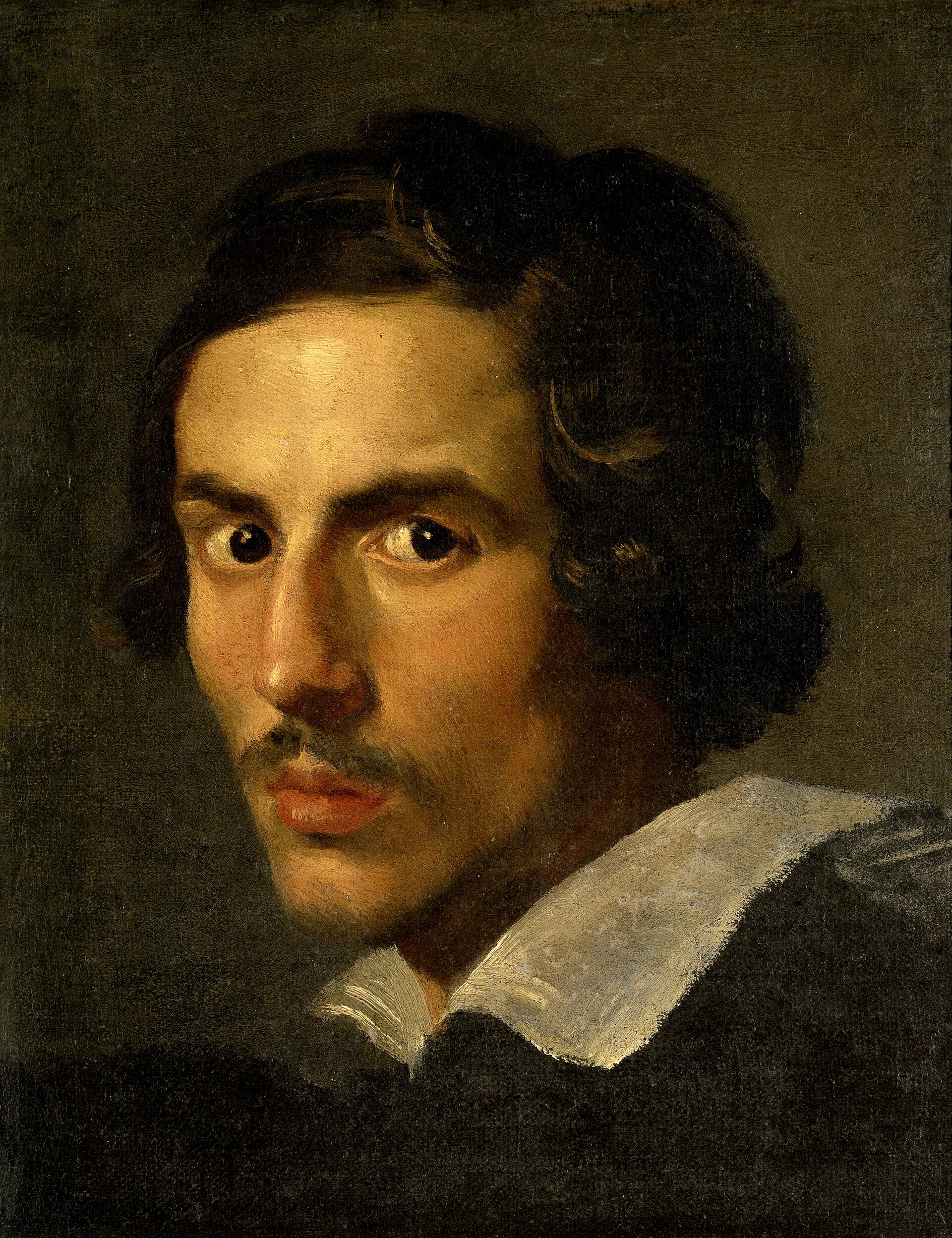
Gian Lorenzo Bernini
About the Object
Gian Lorenzo Bernini
1598
Other
Piazza Navona, Roma
Historic Personality
Gallery (1)

The Man Who Gave Rome Its Face
You are standing by the Fountain of the Four Rivers, and it's a good place to get to know its creator. Gian Lorenzo Bernini lived for eighty-two years, from 1598 to 1680, and spent most of that time working for the popes-three in a row. He was simultaneously a sculptor, an architect, and, as we would say today, an urban planner. If Rome has a recognizable face, it is largely his doing. Look at the figures around the obelisk. The Danube, the Ganges, the Nile, and the Río de la Plata are the four rivers of the four parts of the world known at the time. Bernini began the work in 1648, and the fountain was unveiled in June 1651. And here is a thing worth knowing before you admire it: the construction was funded by a tax on bread; there was a famine in the city at the time, and the Romans were writing on the walls that they wanted bread, not obelisks. This is not the only instance where his brilliance came at a high cost. But let's take things in order. The main thing to understand about Bernini is that he thought in terms of the spectator. Not the facade, not the plan, but the human being who would walk in and feel something. In the Cornaro Chapel at Santa Maria della Vittoria, he staged a genuine theater: Saint Teresa floats in a marble cloud, light falls from a hidden window, and on the sides, in marble opera boxes, the patrons sit and watch the scene as if at the opera. At the colonnade of St. Peter's Basilica, he calculated the transition effect: a pilgrim would walk through narrow alleys and suddenly find themselves in a colossal square, embraced by the two arms of the colonnade. He positioned the angels on the Ponte Sant'Angelo in such a way that they turn you toward the castle and the cathedral along the way. Now about his rival. Francesco Borromini worked alongside him all his life-a man of a completely opposite temperament. Bernini had theater, movement, the human figure, effect. Borromini had not a single figure: geometry, concave and convex walls, the tension of stone. Bernini was polite, charming, and swamped with commissions; Borromini was reclusive, heavy-tempered, and had far fewer orders. It ended badly: in 1667, Borromini committed suicide. You can walk the distance of their rivalry in fifteen minutes-from this square to the Church of San Carlo alle Quattro Fontane. And one more thing people don't like to talk about. Not everything Bernini touched was creation. The bronze from the Pantheon's portico was removed by order of Pope Urban VIII, of the Barberini family, and part of it went into Bernini's baldachin in St. Peter's Basilica. The Romans retorted with a phrase that lives on to this day: "What the barbarians didn't do, the Barberini did." There are also many fine stories about Bernini that don't hold up to scrutiny. The most famous is that he covered the Nile's face so it wouldn't have to look at Borromini's church opposite. Check the dates: the fountain was unveiled in 1651, and Sant'Agnese in Agone began construction in 1652. It is impossible to mock a building that does not yet exist. The real explanation is simpler: in the 17th century, no one knew where the sources of the Nile were, and the river with an unknown beginning was depicted with a covered face. That was the kind of man he was: brilliant, courtly, ruthless to his rivals, and encumbered with legends thicker than any other architect in this city.
AI translation · 🇬🇧 EN
Rate this review:
Nearby and related
By the same architect
Close by in Rome
About the Object
Gian Lorenzo Bernini
1598
Other
Piazza Navona, Roma
Historic Personality